

The De Luca legacy: a blend of history and hospitality
For us at Dimore De Luca, being recognised as experts on the local area means sharing with our guests the stories that have shaped the place we look after.
The properties that now make up the Dimore De Luca portfolio did not come about by chance, but have evolved and taken on their character thanks to Carlo’s dedication, passion and aesthetic sensibility. It was he who selected the properties, guided by a deep desire to preserve their historic charm and architectural authenticity.
The De Luca family and the Bishop of Amalfi
The bond that unites the De Luca family with the Divine Coast has its roots in a past when the scent of ink mingled with that of freshly dried paper. For many years, in fact, our family held the prestigious and delicate position of printers to the Bishop of Amalfi. This role of immense responsibility has bound us inextricably to the world of the famous Amalfi paper, a product of excellence that has made the Maritime Republic famous throughout the centuries and that we, today, continue to celebrate as proud guardians of local heritage.
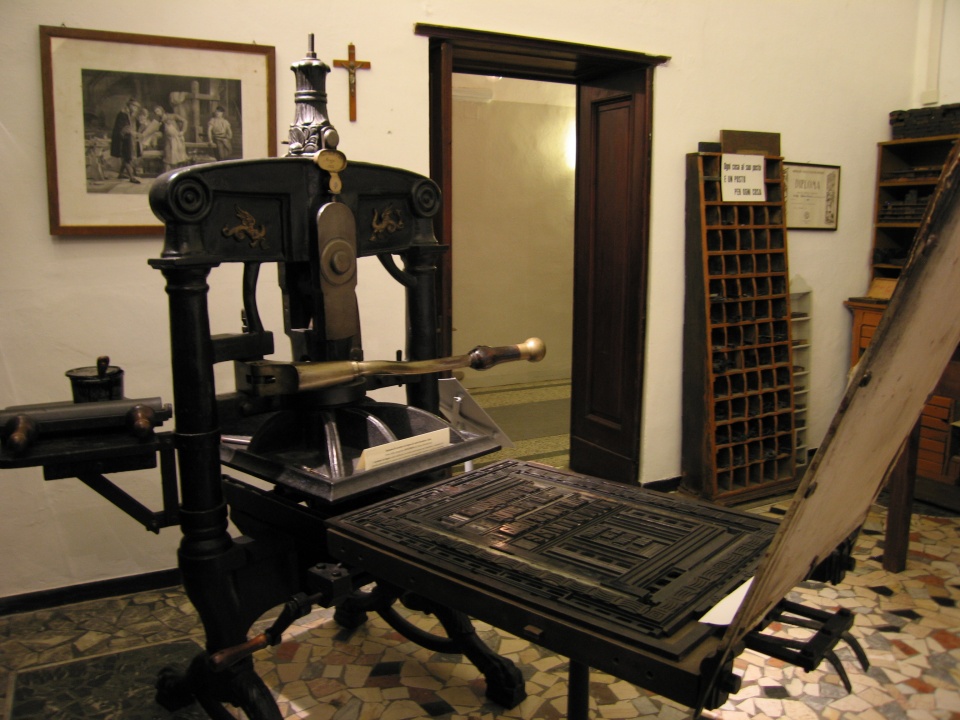
Printing letters, decrees, bulls, and official documents of the bishop’s curia required knowledge and mastery of the craft. Every single press of the printing press and application of ink represented a dialogue between the printer and the irregular texture of the paper. An obsessive attention to detail, a constant pursuit of perfection, and a deep respect for fine materials are precisely the same values that Carlo has successfully infused into the philosophy of Dimore De Luca. The homes he has selected reflect that same dedication to craftsmanship and are designed to welcome travelers into settings rich in history, elegance, and authenticity.
The secrets of the East
To understand the significance of this legacy, we must go back to the golden ages of the Middle Ages. While the rest of Europe was still entrusting its history to heavy and expensive parchment, the resourcefulness of Amalfi’s merchants introduced a technology destined to democratize knowledge. The transmission of this art was no accident: in their thriving fondachi (the trading posts and exclusive quarters established in the ports of the Levant and North Africa), the Republic’s seafarers did not merely purchase exotic goods but also studied their production processes. By observing the Arab paper-making masters, the Amalfitans learned the secrets of the craft and brought them home, realizing that the inexhaustible energy of the Canneto stream could fuel an unprecedented transformation.
The ancient mills of the valley were thus transformed into bustling paper-making workshops. Here, water power and the artisans’ unparalleled manual dexterity worked in unison to transform simple recycled textile fibers into the famous and incredibly soft “Carta Bambagina.” A perfect union of early industry, human ingenuity, and the power of nature-traces of which we’ve already touched on in our article dedicated to the Valle delle Ferriere.
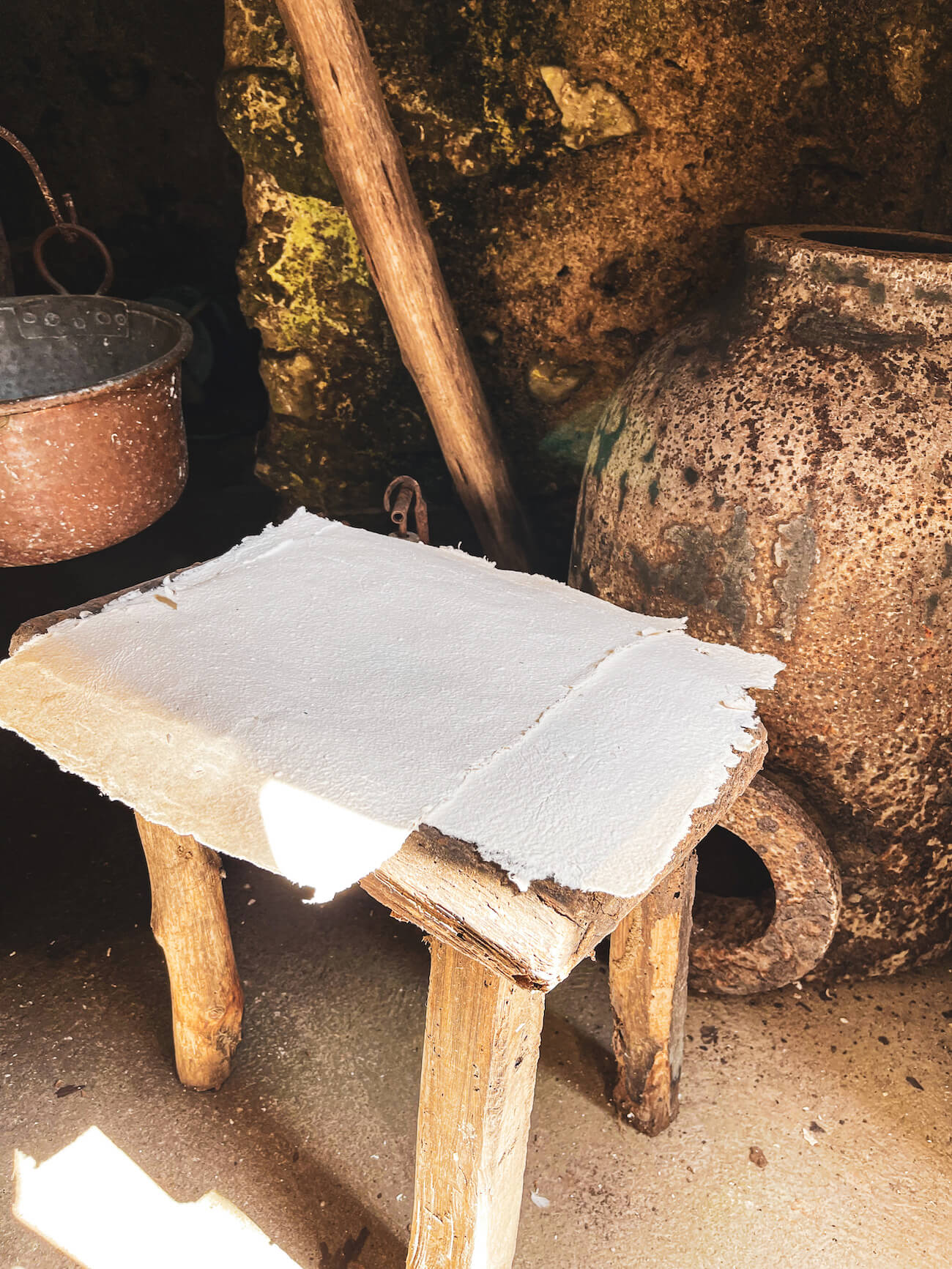
Unlike modern paper derived from wood pulp, this Amalfi specialty was created exclusively through the meticulous maceration of old white rags made of linen, cotton, and hemp. It was a laborious yet fascinating process. But the true hallmark of the master paper-maker, the technical genius that set the product apart, lay in the loom. The dense mesh of brass and bronze wires not only held the pulp in place but also imprinted a watermark onto it: a true trademark visible only when held up to the light, certifying the sheet’s authenticity and often depicting the city’s coat of arms, a nautical anchor, or the symbol of the individual paper-making family.
Caressed by the coastal breeze, that shapeless sheet became a sheet of paper of unparalleled strength, quality, and elegance, characterized by its famous uncut edges, those naturally frayed and irregular margins created by the loom and never trimmed. A detail of such refinement that even today, eight centuries later, Bambagina remains the premier choice for creating masterful watercolors and, above all, for the most exclusive wedding invitations. There isn’t a single couple who decides to celebrate their lavish wedding on the Amalfi Coast without entrusting the announcement of their love to this unmistakable texture.
For centuries, in addition to fishing and trade, the people of Amalfi earned their livelihood by producing the paper that would be used for notarial deeds, royal decrees, and papal correspondence throughout Europe. It was a product that stood the test of time, incredibly soft to the touch yet strong and wear-resistan, perfect for absorbing, with millimeter-precise accuracy that allowed for no smudges, the ink of the De Luca family’s printers.
The Paper Museum
If Amalfi’s paper heritage continues to thrive today, we owe it in large part to the foresight of Cavaliere Nicola Milano, heir to one of the most illustrious and ancient families of Amalfi paper masters. In 1969, at a time when the relentless advance of the industrial age and the damage from the 1954 flood seemed to have doomed this heritage to oblivion, Milano decided to perform an act of love for his city. He acquired and transformed an ancient 13th-century paper mill, which had once belonged to his own family, founding what is now the Paper Museum. His intention was not to create a cold and melancholic repository of relics, but a living place that is now managed and preserved with loving dedication by the Paper Museum Foundation, which operates as a nonprofit organization specifically to safeguard this treasure.
When you venture into the Valle dei Mulini and step inside this temple of craftsmanship, you’ll enjoy an immersive experience that we at Dimore De Luca highly recommend to our guests, especially those traveling with their families. The museum tour isn’t just a guided visit; it’s a true sensory journey. The antique machinery, such as the mighty wooden-spiked hammers, known as “pile a maglio”, and the historic Dutch machines, have been meticulously restored and brought back into operation using the water power of the Canneto stream.
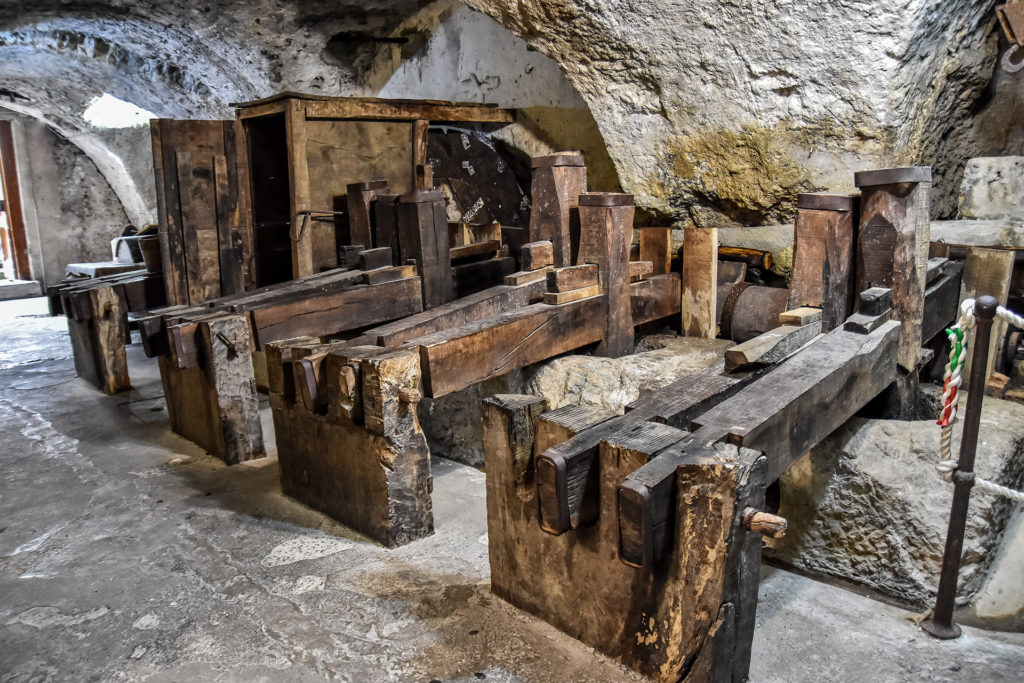
The true magic of the museum, and the reason why it’s absolutely worth visiting, lies in the interactive experience: under the expert guidance of the staff, visitors stop being mere spectators and become artisans for a day. In fact, you can personally dip your hands into the vat, sift the white pulp through the screen, and witness the miraculous creation of your very own sheet of Bambagina, performing the exact same gestures as people did 800 years ago.
The magic of Amalfi paper also lives on in the workshops of the last few tenacious master artisans, who continue to export their masterpieces, with their uncut edges, all over the world. Amalfi paper is no longer merely a commercial medium, but a true artistic canvas sought after by those who appreciate the understated luxury of historic craftsmanship.
A living room designed by Dimore De Luca
Choosing to stay at Dimore De Luca means, therefore, stepping into this millennia-old story and becoming an integral part of it. It means surrendering to the charm of rooms chosen with the same refined taste with which, long ago, our forebears, the printers, selected the finest paper for the Bishop’s words. If you’d like, we’ll plan your stay, taking care of every detail of your itinerary: from airport pickup to guided tours, including cooking classes.
Get ready for an experience where our hospitality serves as a means to ensure you return home with your eyes enriched by the beauty of the scenery, your palate satisfied by the flavors of local cuisine, and your thirst for knowledge quenched. We look forward to welcoming you as part of our family, confident that we’ll help leave you with an indelible memory of a wonderful land, literally handwritten.
