

L’anima di Amalfi dove la storia si fa foresta
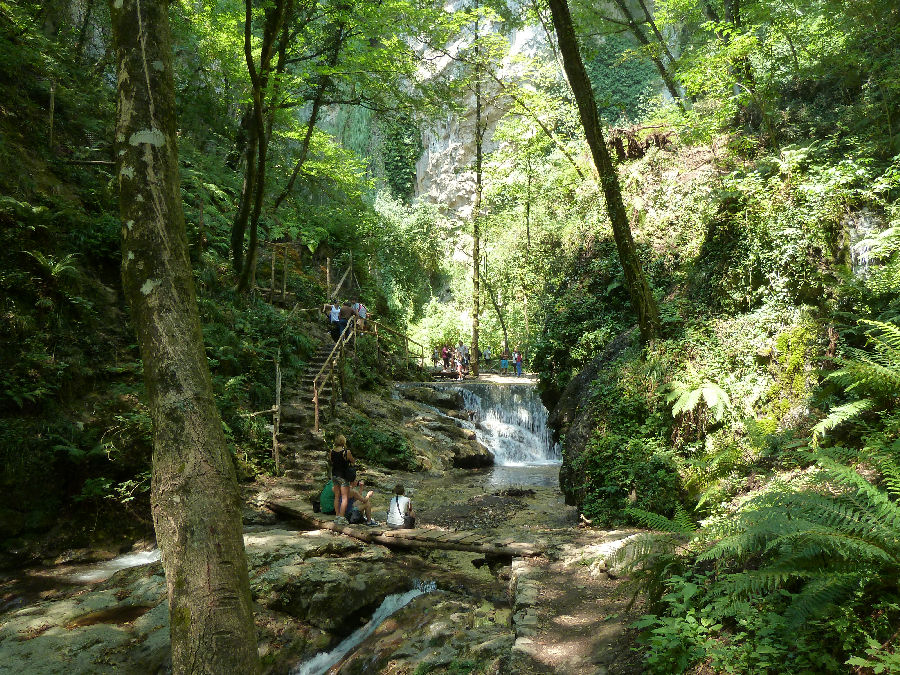
In the global imagination, Amalfi is an iconic place kissed by the sun and lulled by the sound of the surf. However, if you wish to look beyond this veneer of glamour, you must go beyond the surface and venture into that limestone hollow that opens up behind the Duomo. In fact, stripped of its facade as a pearl of global tourism, Amalfi reveals a piece of its history embedded in nature. This becomes apparent as soon as you set off toward the Valle delle Ferriere.
For us at Dimore De Luca, being stewards and experts on the local area also means guiding you on a journey to discover the stories that have shaped the place we are fortunate enough to call home.
Make yourselves comfortable, or rather, lace up your hiking boots: we’re taking you on a journey where the mysticism of nature and the age-old toil of humankind merge into a single, monumental expression.
Il grembo e il respiro del bosco
The Valle delle Ferriere is not merely a place for a nature hike, but a journey back in time, a descent into an ecosystem that seems to have stopped the hands of time in a prehistoric era. This deep canyon, which cuts through the Lattari Mountains and serves as a natural boundary between the villages of Scala and Amalfi, is a biogenetic nature reserve of inestimable value, designated as such by the government in 1972.
As you venture into this open-air sanctuary, the warm Mediterranean sun gives way to the cool darkness of the gorge, and the sea air is replaced by the scent of wet moss: it is here that nature has preserved an extremely rare subtropical microclimate. Protected from the cold northern winds and constantly misted by the spray from the Canneto Stream, the valley jealously guards the Woodwardia radicans, a magnificent giant tree fern dating back to the pre-glacial era, whose majestic fronds reach nearly three meters. Beside it, on the perpetually damp rocks, the small carnivorous plant Pinguicula hirtiflora thrives, and the extremely rare spectacled salamander, an endemic amphibian that represents the beating heart of this biodiversity, finds refuge.
Il naufragio della modernità
This wild landscape that we admire today is, in fact, the setting for one of the most fascinating chapters in the industrial history of Southern Italy. The silence that now accompanies the traveler’s journey is a relatively recent achievement. For centuries, this gorge was not a bucolic retreat, but the roaring, smoke-belching economic engine of the Maritime Republic of Amalfi.
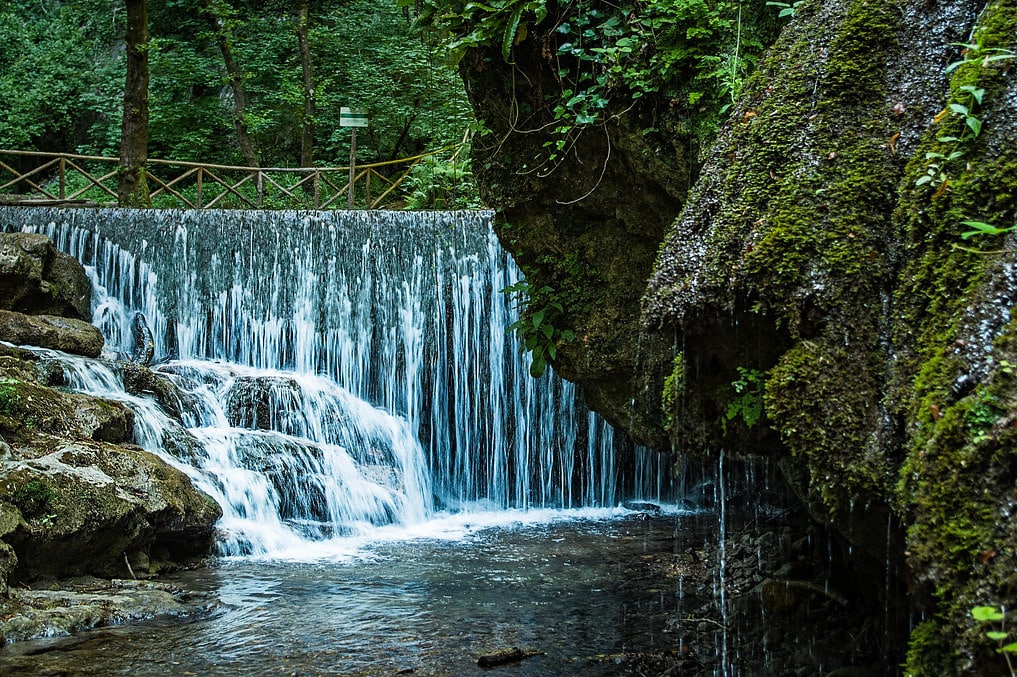
It all began with water, or rather, with the inexhaustible power of the Canneto Stream. In the highest and most inaccessible part of the valley, medieval people built the majestic ironworks that give the place its name. Here, harnessing the waterfalls to power mighty bellows and large wooden hammers, tons of raw iron, brought by sea from the Island of Elba and Puglia, were processed. In these blazing forges, the nails needed to assemble the galleys and merchant ships that made Amalfi one of the dominant powers on the Mediterranean routes were forged.
La sinfonia dei magli e la genesi della Carta Bambagina
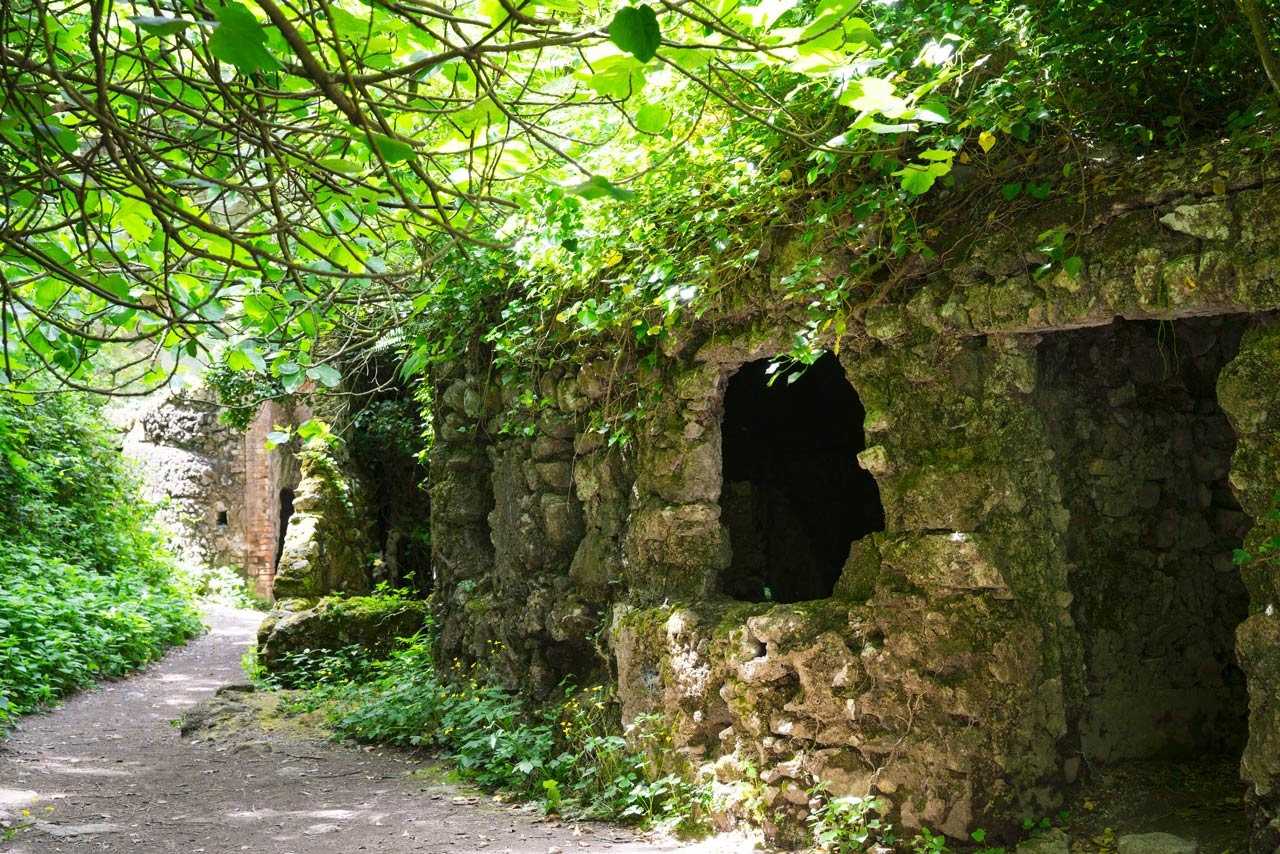
Following the course of the water toward the sea, in the so-called Valley of the Mills, the industrial history of the valley takes on a new form. Ancient mills for grinding grain once stood here; between the 13th and 14th centuries, they underwent an ingenious conversion. Thanks to their contacts with the Arab world, the people of Amalfi learned the secrets of papermaking, a technological breakthrough that would forever change the face of this valley.
The agricultural mills became imposing paper mills dedicated to the production of the prized Carta Bambagina. It was a laborious yet fascinating process: enormous spiked hammers, powered by water, relentlessly pounded old rags of linen, cotton, and hemp submerged in stone vats, reducing them to a snow-white pulp. Master papermakers, using precise movements honed by experience, sifted the pulp through filigree screens, then laid the precious sheets out to dry on ventilated drying racks on the upper floors of the buildings. For centuries, the valley echoed with these steady beats, producing the paper that would be used to sign notarial deeds, royal decrees, and papal correspondence throughout Europe.
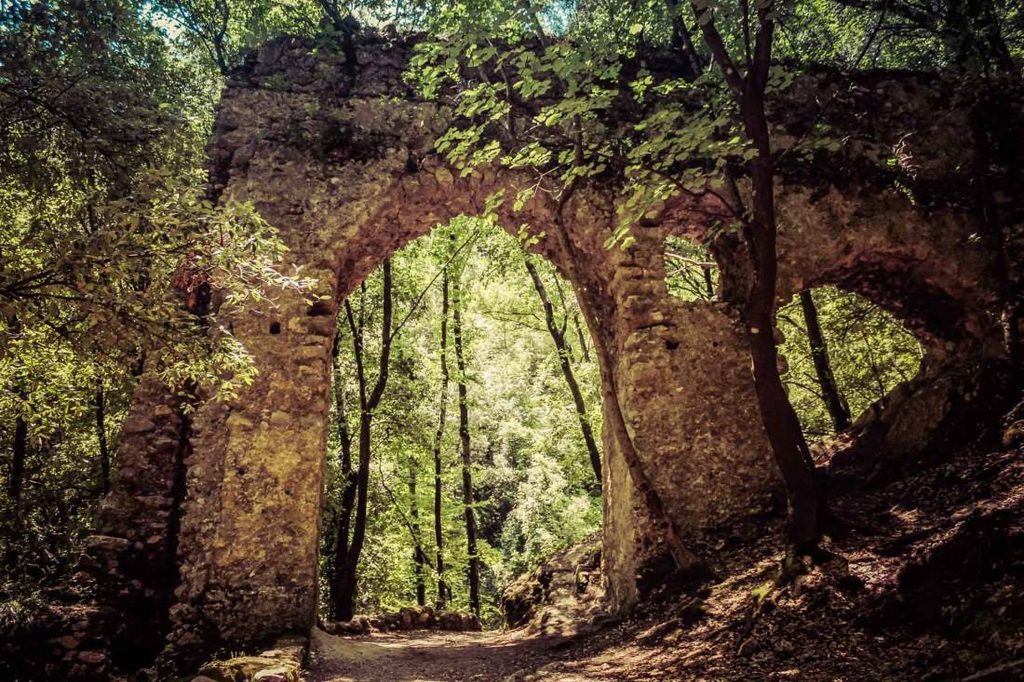
The nineteenth century, with the advent of the Industrial Revolution, marked the beginning of the decline. The rugged terrain, which for centuries had protected the valley, became a prison: it was impossible to transport the modern, gigantic steam engines along those narrow, vertiginous paths. Production, which remained artisanal, could not withstand international competition. The curtain fell definitively in October 1954, when a devastating flood swept away almost everything, destroying machinery and toppling centuries-old walls. The fury of the water brought an era to a close, transforming industry into archaeology. Since then, trees and ivy have engulfed the stone, restoring this valley to the appearance of a primeval forest.
Quando il cammino si fa memoria
Today, the Valle delle Ferriere offers travelers a complete immersion in beauty. The hike is an opportunity to experience a journey through history, set to the rhythm of your own footsteps.
The trail is classified as Tourist-Hiking (T/E), but the level of difficulty depends on the route you take. Starting from the top, in the villages of Pontone or Scala, allows you to descend gently toward Amalfi: it’s a contemplative hike, lasting about three hours, ideal even for families, where the effort is more than made up for by the wonder of the scenery. Choosing instead to start from the bottom, in the center of Amalfi, means hiking upstream along the river, climbing ancient stone steps; a route of medium-to-moderate difficulty where physical exertion is paired with a narrative climax that culminates in the spectacular view of the waterfalls.
Quando andare
The ideal time to explore the Valle delle Ferriere is right in the middle of summer, avoiding the hottest hours of the day. Between June and August, the humid microclimate and the dense canopy of leaves offer a refreshing refuge, a sanctuary of shade that provides respite from the Mediterranean heat. The shoulder seasons offer spectacular blooms and water flows, but require waterproof clothing due to the humidity. However, it is not recommended to venture into the valley on days of heavy rain, when the hard-packed earth and smooth rock, shaped by the water, remind us of their uncontrollable nature.
Cosa ammirare
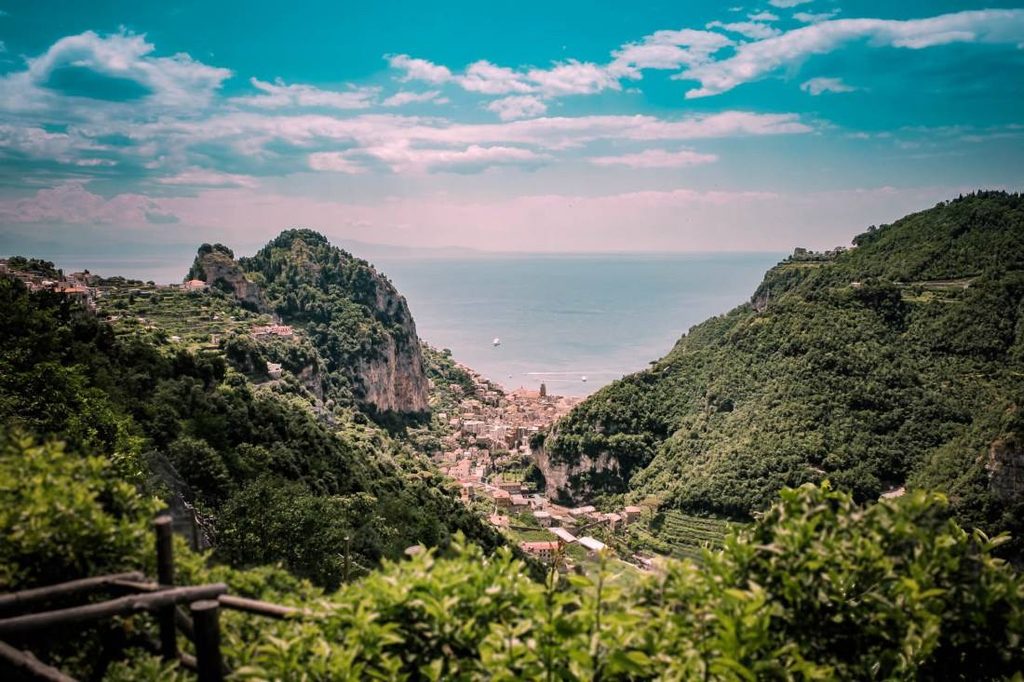
In addition to the moss-covered industrial ruins and rare prehistoric flora, the traveler’s gaze is constantly captivated by the water. The river creates natural pools of icy, crystal-clear water and spectacular waterfalls that break the silence. In the final stretch, as the path descends toward the sea, the wild forest gives way to agricultural ingenuity: the famous terraced groves of Sfusato Amalfitano lemons, whose brilliant yellow color and pungent scent herald a return to civilization, where the gold of the cathedral’s mosaics once again embraces the sunlight.
L’ospitalità di Dimore De Luca
Our Amalfi Residences serve as the ideal strategic base for immersing yourself in these millennia-old stories. In fact, we firmly believe that a trip is not measured solely by the high quality of our accommodations, but also by our ability to inspire guests to discover the history of the places they visit.
To truly understand the Amalfi Coast in all its nuances, we invite you to experience the majesty of the Valle delle Ferriere as guests immersed in the authentic story of our land. By booking your stay at one of the Dimore De Luca properties, you’ll have the opportunity to plan this exploration in complete safety and harmony with the environment: upon request, we’ll be happy to arrange for you to be accompanied by one of our qualified hiking guides, a true storyteller and guardian of these traditions, who will lead you through the millennia-old ferns and the ruins of the ancient paper mills, revealing every secret of this magnificent land.
All you have to do now is packing your rucksack and come and discover the pulse of the Divine Coast with us.
