
The table of remembrance and the spirit of the Day of the Dead
A journey through ancient rituals, sweet offerings and the deeper meaning of hospitality
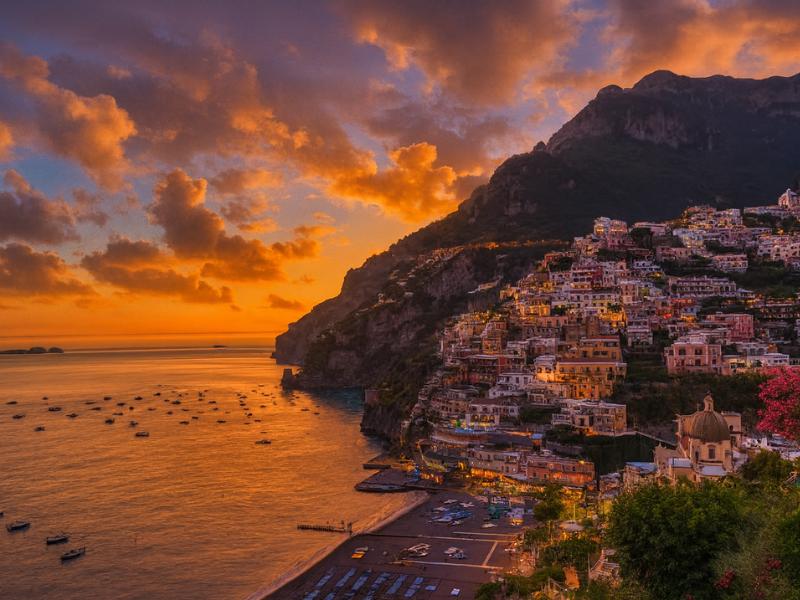
When the October air takes on an autumnal feel and shadows begin to lengthen over the alleyways of Rome and the terraces of the Amalfi Coast, the whole world prepares to celebrate the night of the spirits. Shop windows fill with carved pumpkins, artificial cobwebs and macabre costumes, playing into the narrative of modern-day Halloween. Yet, beneath this veneer of a masked festival imported from across the Atlantic, our lands harbour far more intimate traditions.
Experiencing autumn in our residences means having the privilege of delving into the past, discovering how, in these parts, the veneration of the dead has never been a matter of fear or monsters to be exorcised, but one of the most moving forms of hospitality.
The thin veil and shared roots
Historically, the first days of November mark a significant occasion for countless cultures. Whilst the Celtic peoples celebrated Samhain, the agricultural New Year marking the end of the harvests and the beginning of the dark half of the year, the Mediterranean basin was also preparing to face the winter. The common thread was an ancestral instinct: on these nights of transition, the veil separating the world of the living from that of the departed becomes incredibly thin.
It was in Great Britain and Ireland that these ancient Celtic harvest festivals, subsequently blending with Christian influences, gave rise to All Hallows’ Eve (the eve of All Saints’ Day), from which the word ‘Halloween’ derives. This festival, linked to the land and the cycle of the seasons, then crossed the ocean in the mid-19th century, brought to the United States by waves of Irish immigrants fleeing the Great Famine. It was there, in the New World, that the festival gradually transformed: the ancient lanterns carved from turnips gave way to the iconic carved pumpkins, and the communal ritual took on the modern, light-hearted and consumerist form that Anglo-Saxon culture now exports across the globe.
But whilst the Anglo-Saxon evolution of Halloween encourages children to pretend to be dead to deceive wandering spirits, the Campania tradition turns this perspective completely on its head. Here, those who have left this world are not entities to be hidden from, but special guests to be welcomed with the utmost respect.
“Cicci muorti”: the ancient Neapolitan version of trick or treat
Many believe that the children’s custom of knocking on doors in search of sweets is exclusively American. In reality, leafing through the historical records of Naples and its province, we discover that this practice has been part of our alleyways for centuries. Long before the phrase “Trick or treat” became widespread, the little street urchins of Campania would roam the streets waving a small cardboard box shaped like a money box, known as a cascettella.
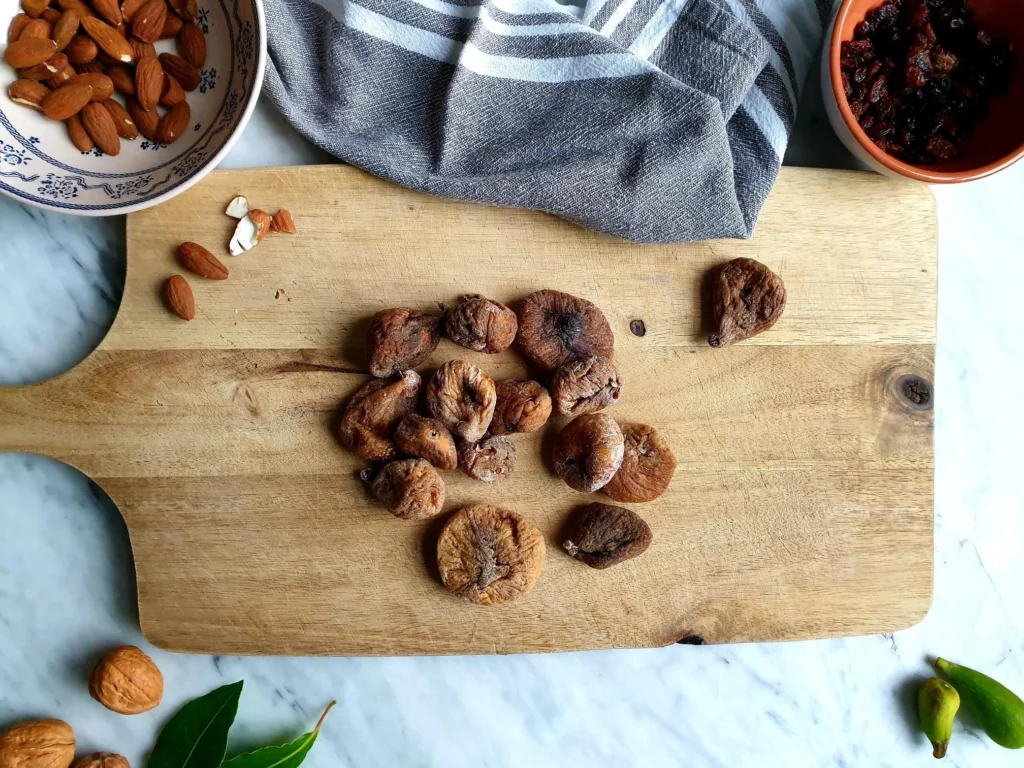
They would stop passers-by or knock on doors, exclaiming “Cicci muorti!”, to ask for dried fruit, figs, sugared almonds or a few coins. They did not do this out of greed or for fun, but in the name of the “anime pezzentelle”, the spirits in Purgatory who were to be granted rest by lighting a small candle. A ritual both superstitious and poetic, created to ward off the darkness and build a bridge of kindness between the generations.
A global geography of remembrance
The desire to honour and welcome spirits is not solely an Italian tradition. Various cultures around the world celebrate the return of the dead in fascinating and deeply rooted ways. In Japan, for example, Obon is celebrated during the summer: a Buddhist festival in which lanterns are lit to guide the spirits of ancestors back to their homes, and traditional dances are performed to comfort them.
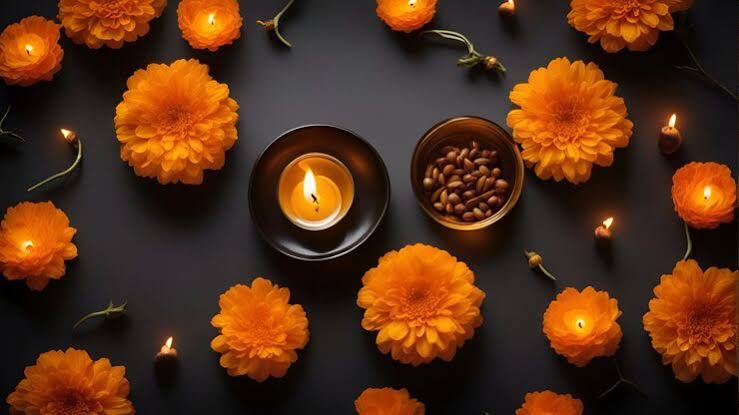
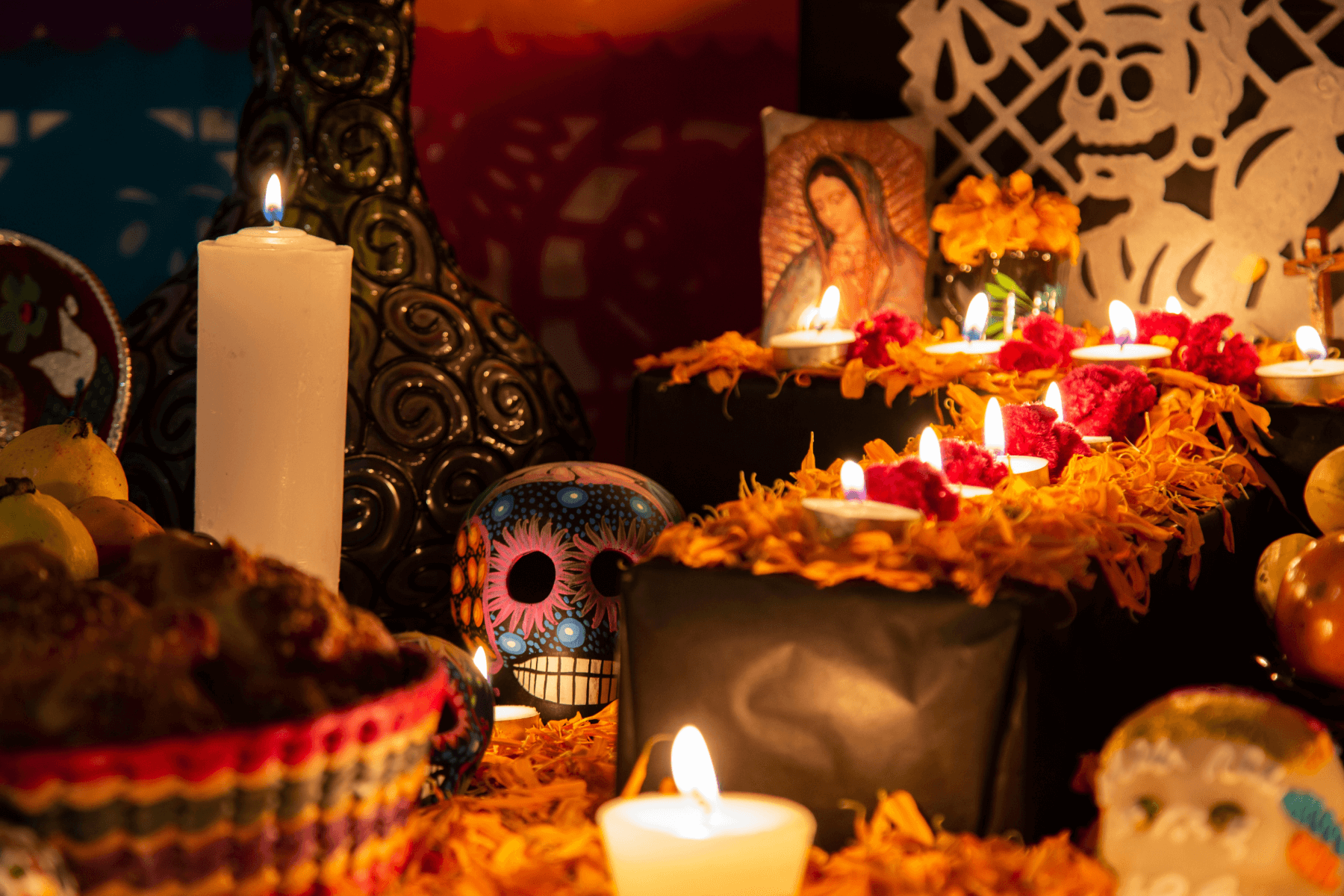
Another extraordinary expression of this universal bond is, without doubt, the Mexican Día de los Muertos, recognised by UNESCO as Intangible Cultural Heritage of Humanity. Far from any sombre atmosphere, this festival is a vibrant explosion of colour, music and family devotion, beautifully portrayed in the contemporary animated film, the famous and moving Disney Pixar masterpiece, Coco. In Mexico, families set up spectacular private altars (ofrendas) adorned with photographs, candles, the traditional pan de muerto, brightly decorated sugar skulls (calaveras) and a luminous carpet of orange-petalled cempasúchil flowers, whose intense fragrance serves to guide the souls home. Death is not seen as a frightening end, but as a natural stage in the cycle of life, and the deceased return to joyfully share the feast with their loved ones.
The table laid to welcome the invisible
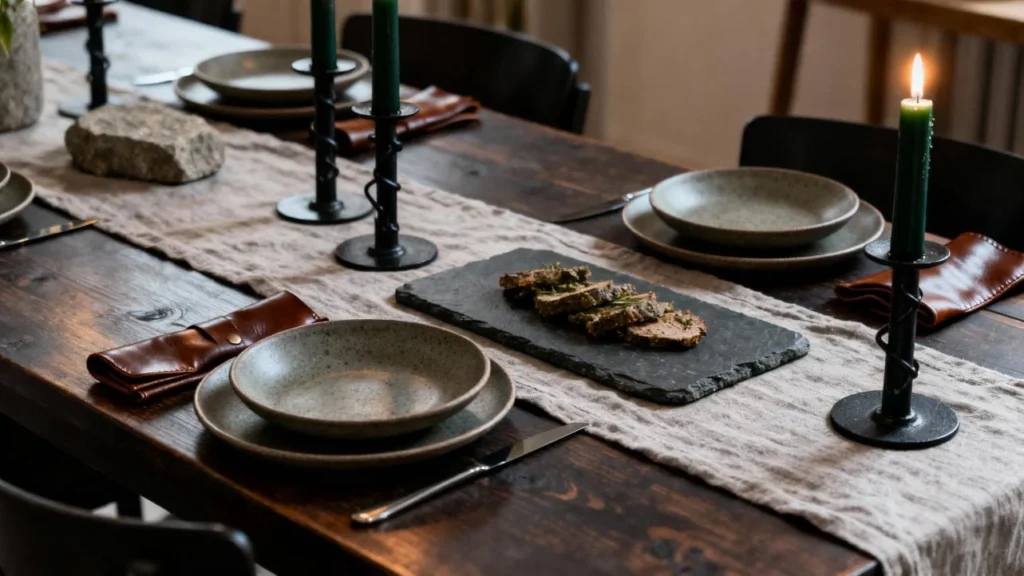
The beating heart of the Day of the Dead in Southern Italy, however, takes place in the silence of people’s homes. Indeed, popular belief holds that, between the night of the first and the second of November, the departed undertake a long journey to return and visit the rooms where they once lived.
For us, who have made hospitality our vocation, it is moving to see how ancient peasant wisdom dealt with this encounter. On All Saints’ Eve, families would not clear the table. It was left strictly laid with fresh water, wine, bread and leftovers from supper, to offer refreshment to souls weary from their long journey. Everyone would go to bed early, closing their eyes out of respect, to allow the past to take its place once more at the head of the table in total tranquillity. It was a simple yet definitive gesture of love: showing those who were no longer with us that their place remained intact and that the front door would never be closed to them.
The torrone dei morti: a chocolate shell to sweeten the journey
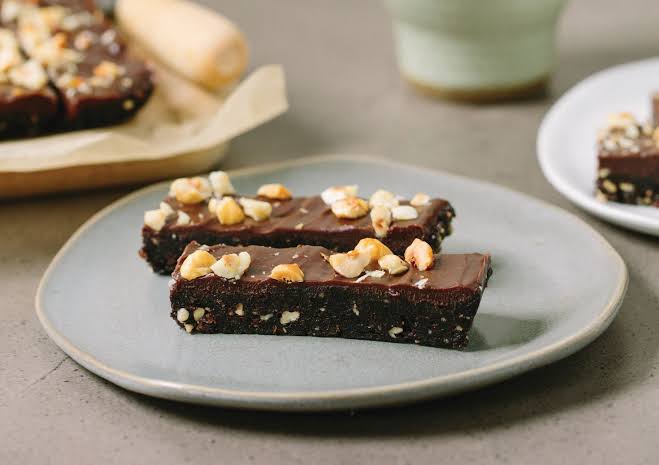
Every self-respecting tradition needs its own culinary symbol, and in Campania this role is entrusted to a masterpiece of softness: the torrone dei morti. Don’t be put off by the name: unlike the classic Christmas nougat, which is hard and made from honey and almonds, this sweet (affectionately known as ‘o muollo, the soft one, or ‘o murticiell) is a triumph of creaminess.
Created by the ingenuity of Neapolitan master chocolatiers, it takes the evocative shape of a rectangular prism reminiscent of a treasure chest, consisting of a crisp, dark chocolate shell that conceals a sumptuous centre of gianduia, coffee or hazelnut cream. In days gone by, slices of this nougat were given as gifts or placed on graves as a tangible comfort for the soul. Even today, from mid-October onwards, it fills the historic shop windows across the region, transforming a melancholic commemoration into a delicious occasion for sharing, to be savoured at the end of a festive lunch.
The tradition of “black pizza”
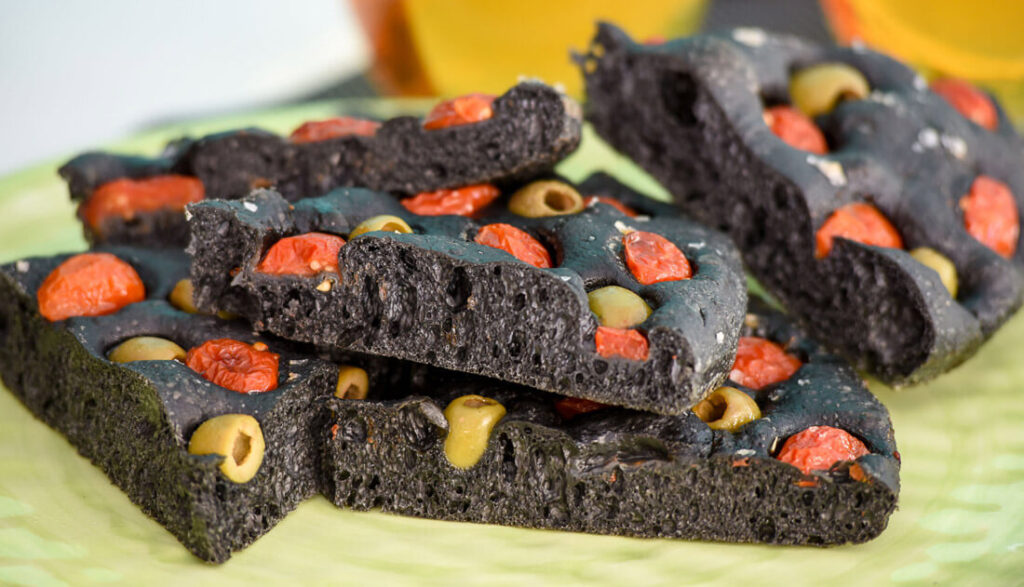
Amidst the narrow streets of Amalfi and the steep paths of Tramonti, on 2nd November a tradition is revived that combines ancient peasant devotion with the flavours of the land: the making of “black pizza”. This leavened bread with its dark dough, made from wholemeal flour and humble grains, tells a moving story of unconditional love and a long-standing tradition of hard work. In the past, coastal cemeteries were, in fact, remote and inaccessible.
Determined to keep vigil over their departed loved ones, families would undertake long and gruelling journeys on foot, carrying this humble yet nourishing pizza (topped simply with garlic, oregano, cherry tomatoes and salted anchovies) to sustain themselves during the arduous journey. Today, the pizza nera remains a meal steeped in memory: a tribute to the grain of wheat that dies only to be reborn, and a symbol of a family bond that neither time nor hardship has ever been able to break.
The slow pace of autumn with Dimore De Luca
Whilst summer in Italy is an explosion of light and vibrancy, autumn is the time when the landscape rediscovers its most intimate rhythm. The crowds thin out, the Tyrrhenian breeze grows sharper, and the stones of the Amalfi Coast resume whispering their most ancient tales.
Choosing to stay at one of the Dimore De Luca properties during this time means treating yourself to a break from the hectic pace of life, immersing yourself in an atmosphere where every detail speaks of care and a sense of belonging. Whilst the outside world plays with the fleeting masks of Halloween, we invite you to make yourselves at home in our properties and discover the beauty of a land that, for millennia, has understood the value of remembrance.
We look forward to welcoming you and taking care of your present, in places that have never ceased to honour their past.
