A journey through history set to the rhythm of the tammorra
The rhythms of the Juta festival in Montevergine have just faded away, but the air—as we transition into fall—still resonates with the echoes of one of Campania’s most deeply rooted and ancient traditions. Once again this year, the September pilgrimage to the Sanctuary transformed the narrow streets of Ospedaletto d’Alpinolo into a crossroads where mysticism and folklore merge into a single expression. Welcoming travelers means becoming the storytellers and guardians of these roots, revealing a complex identity that goes far beyond mere scenic beauty.
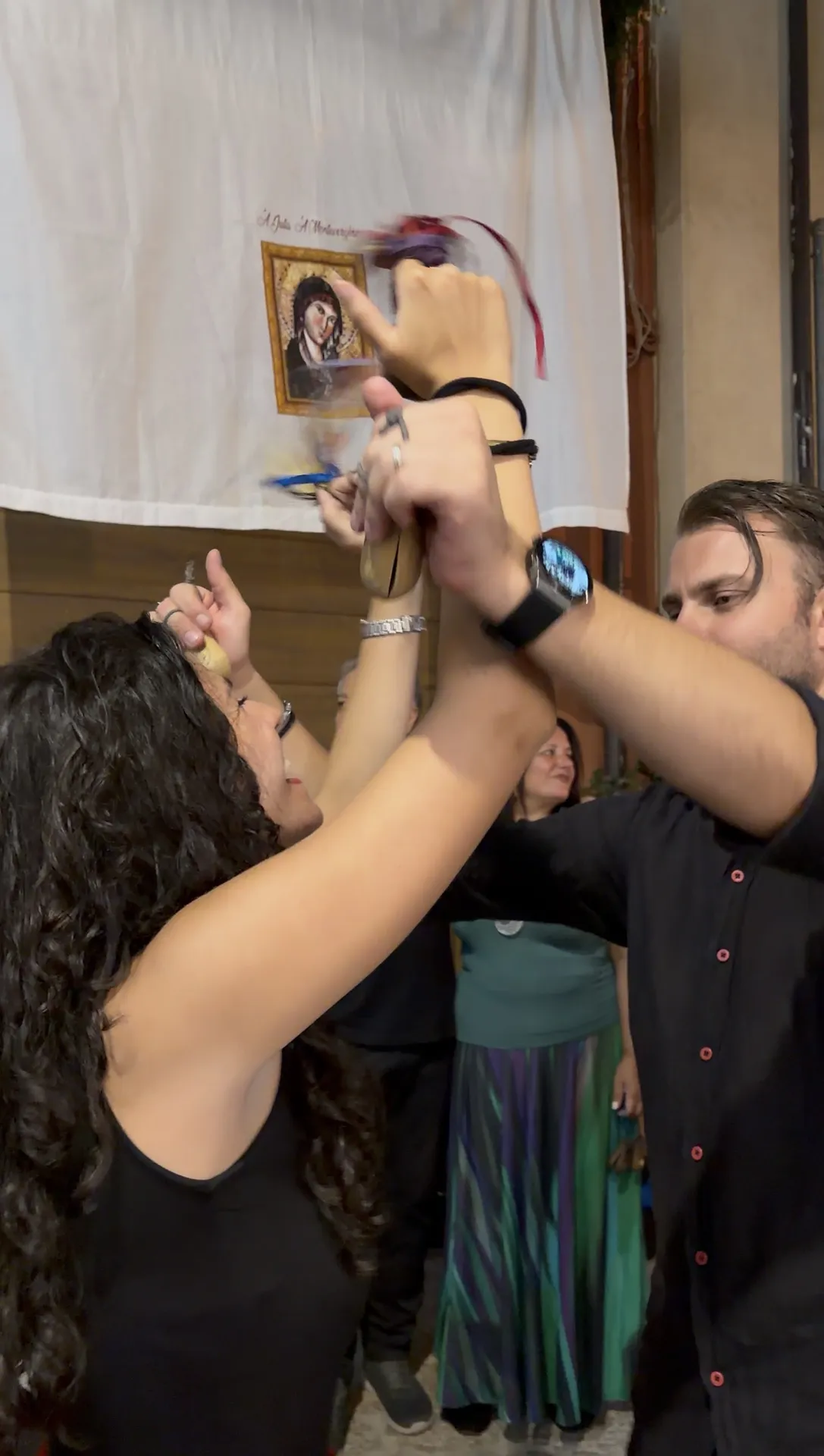
Devotion That Defies the Elements
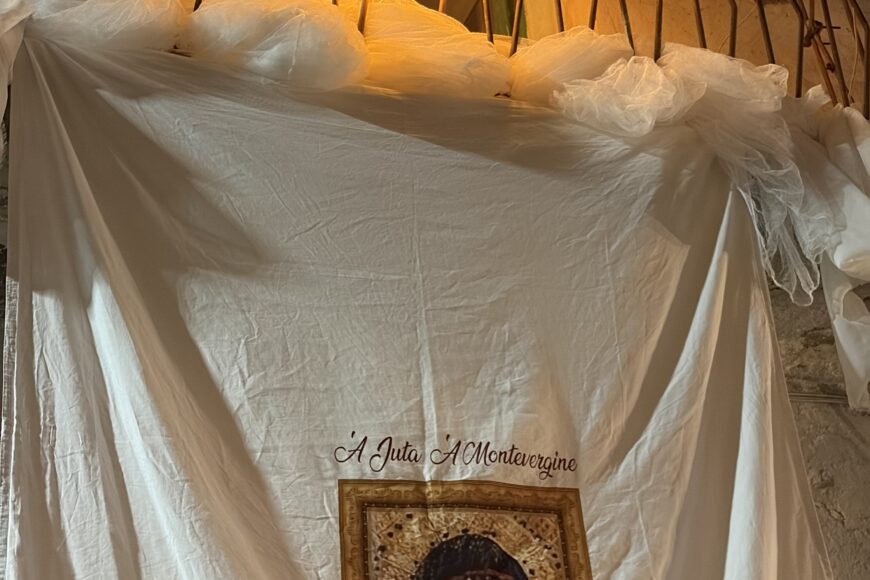
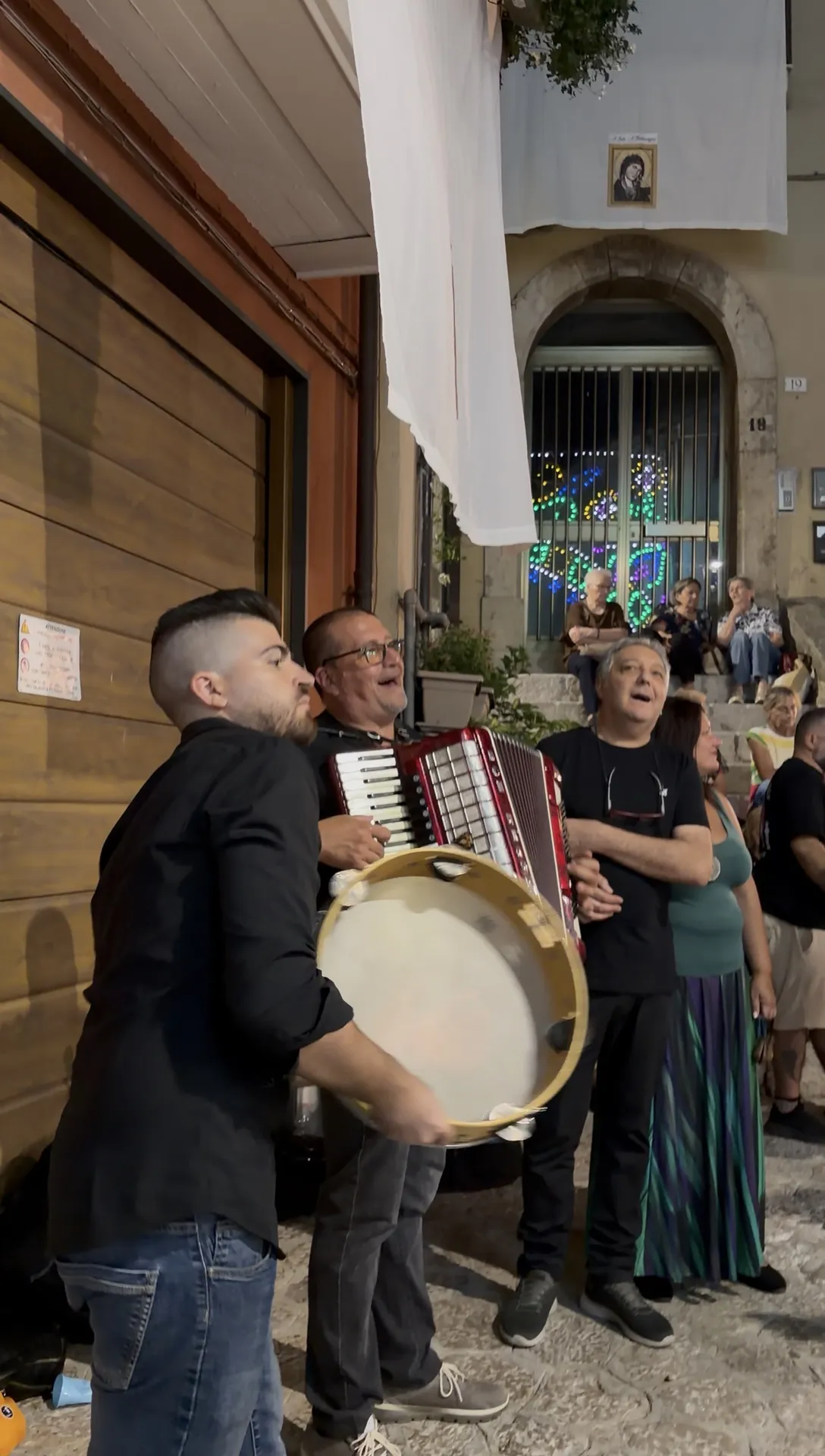
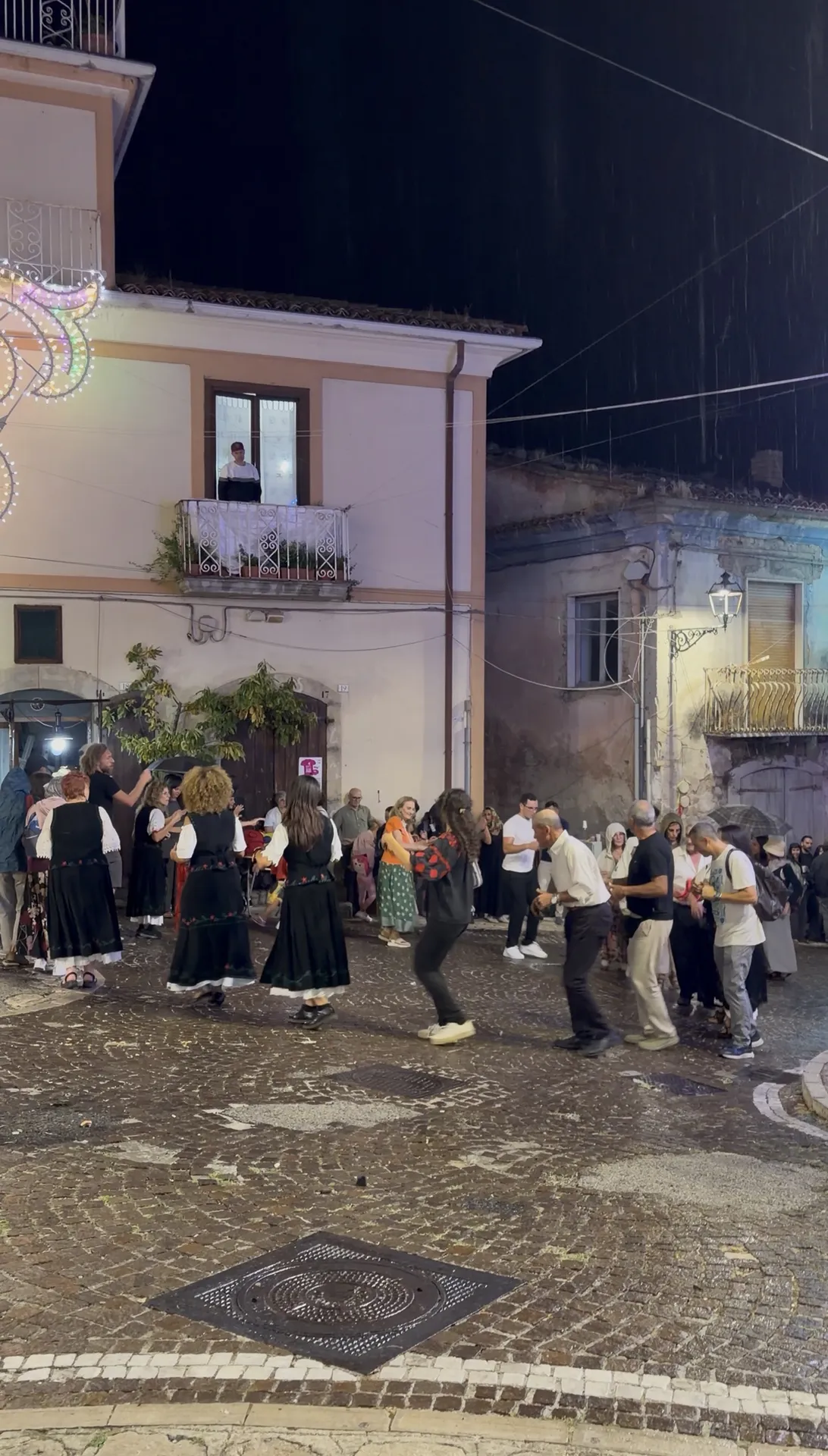
In the local dialect, the word “Juta” literally refers to the journey—the devotional ascent toward the Virgin Mary, whom the people have always invoked as Mamma Schiavona. It is a celebration that stops at nothing. Not even the late-summer rains, which can spread a glossy veil of water across the streets, can disperse the devotees. The waiting beneath the balconies, in the doorways, or in front of the shops of the old tammorra makers is imbued with an almost sacred patience. And as soon as the sky grants a respite, the damp asphalt ceases to be a mere thoroughfare and becomes the nave of an open-air temple, trodden upon by the bare feet of the dancers.
The fronna, the sponta, and the frame drum
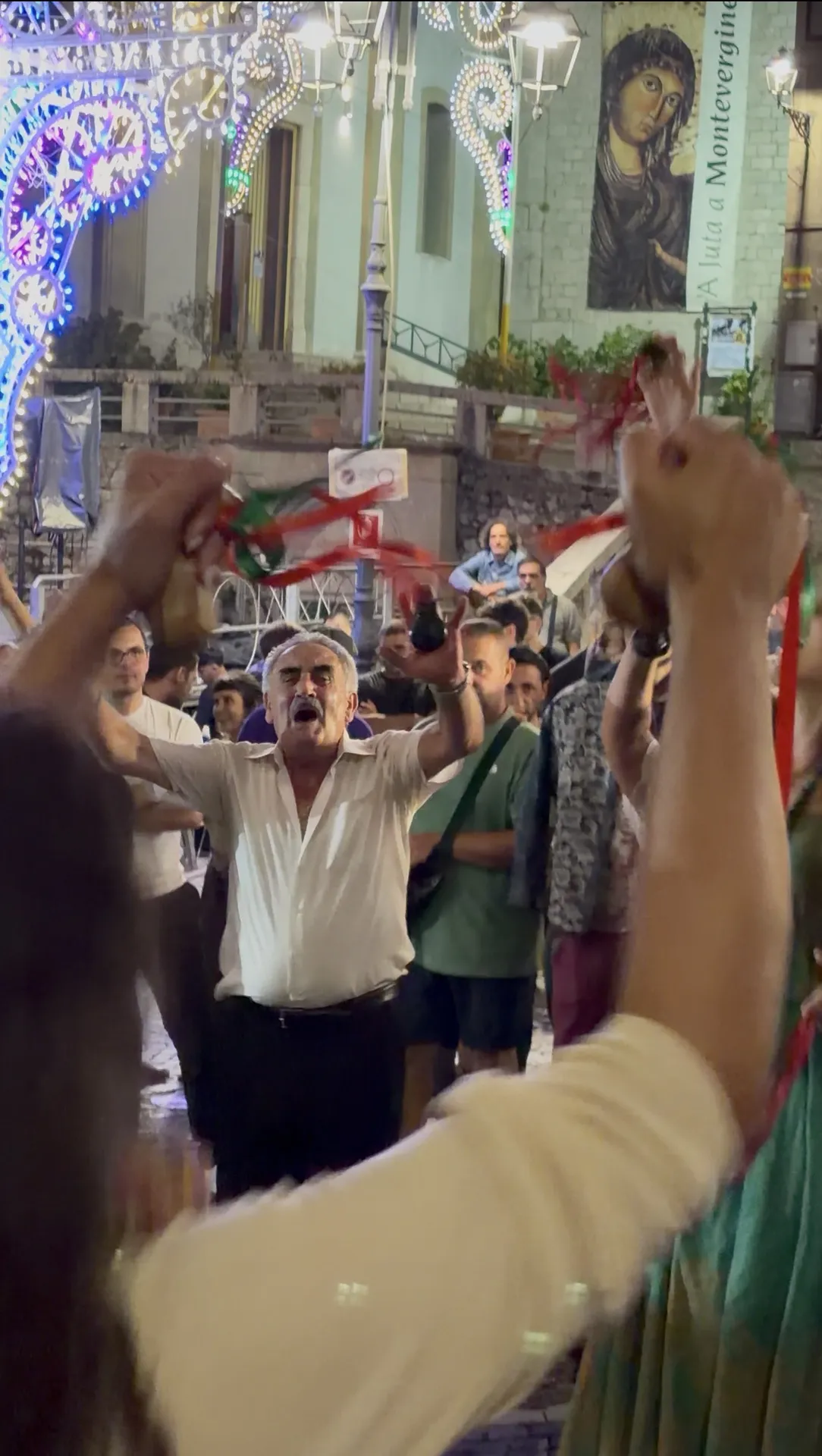
The beginning of this ritual follows precise and ancient oral traditions. Before the percussion instruments set their rhythm, the silence is broken by the “fronna ’e limone,” a vibrant, high-pitched a cappella song that originated in the fields as a means of long-distance communication. In the festival’s liturgy, this voice serves as a call and leads into the “sponta” the exact moment when the singer intones the first verse in time with the beat and the hands strike the taut skins in unison.
This complex subculture is rooted in an anthropological tradition that spans the entire central and southern regions, unified by the presence of the frame drum. Each region has adapted the use of this instrument according to its own needs and wounds. In Puglia, the frenetic tambourines of the pizzica were used to heal “tarantate” women through an exhausting trance; according to tradition, these women were victims of a spider’s bite, but in reality they were oppressed by rigid social pressures. In Calabria, the tarantella is structured around strict hierarchies governed by a dance master, mimicking ancient duels. In Molise, Abruzzo, and the Marche, the saltarello joyfully celebrates the end of the harvest. In Campania, on the other hand, the beat of the tammurriata becomes a prayer of flesh and sweat—a total physical surrender dedicated to Marian devotion.
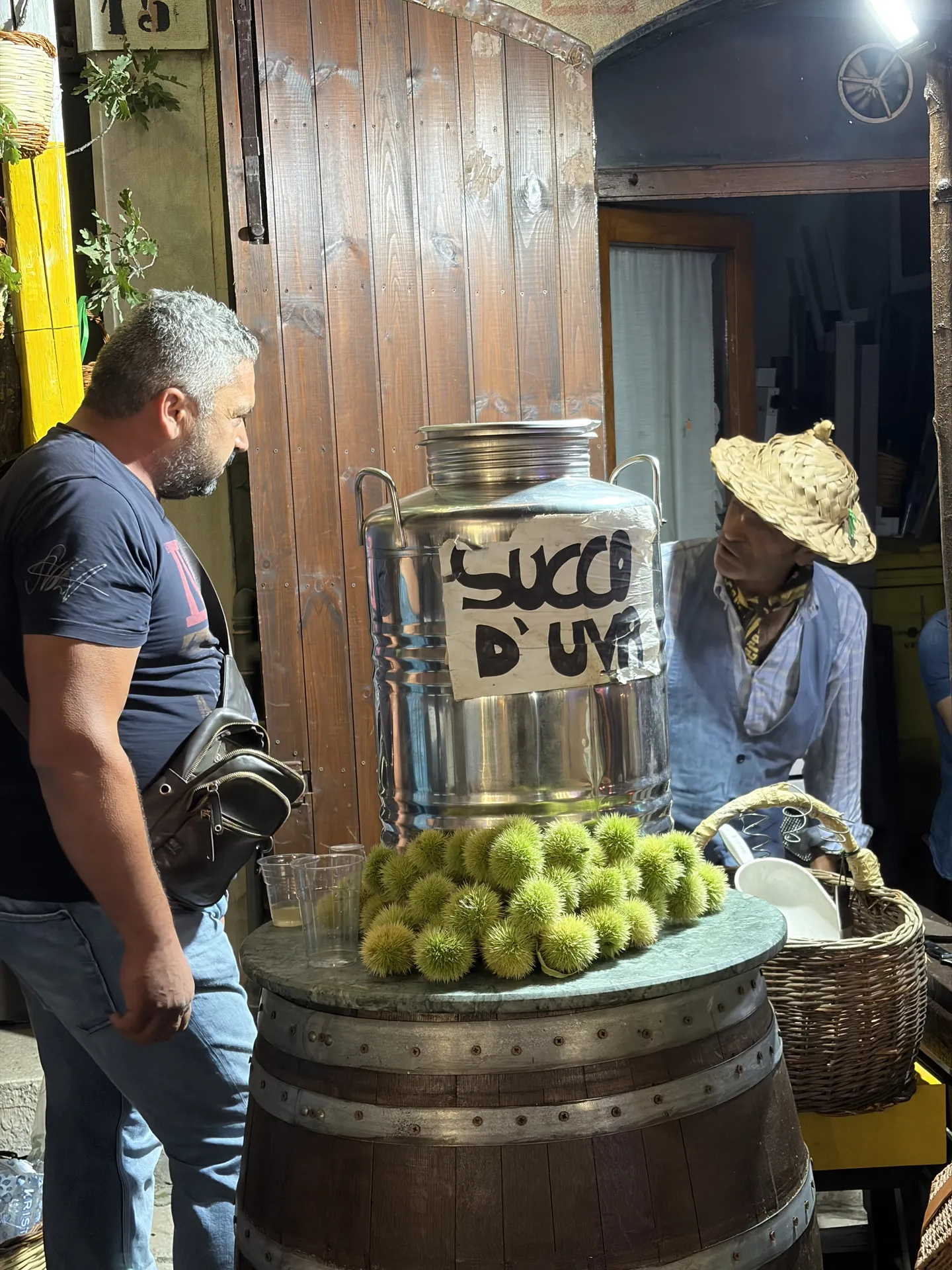
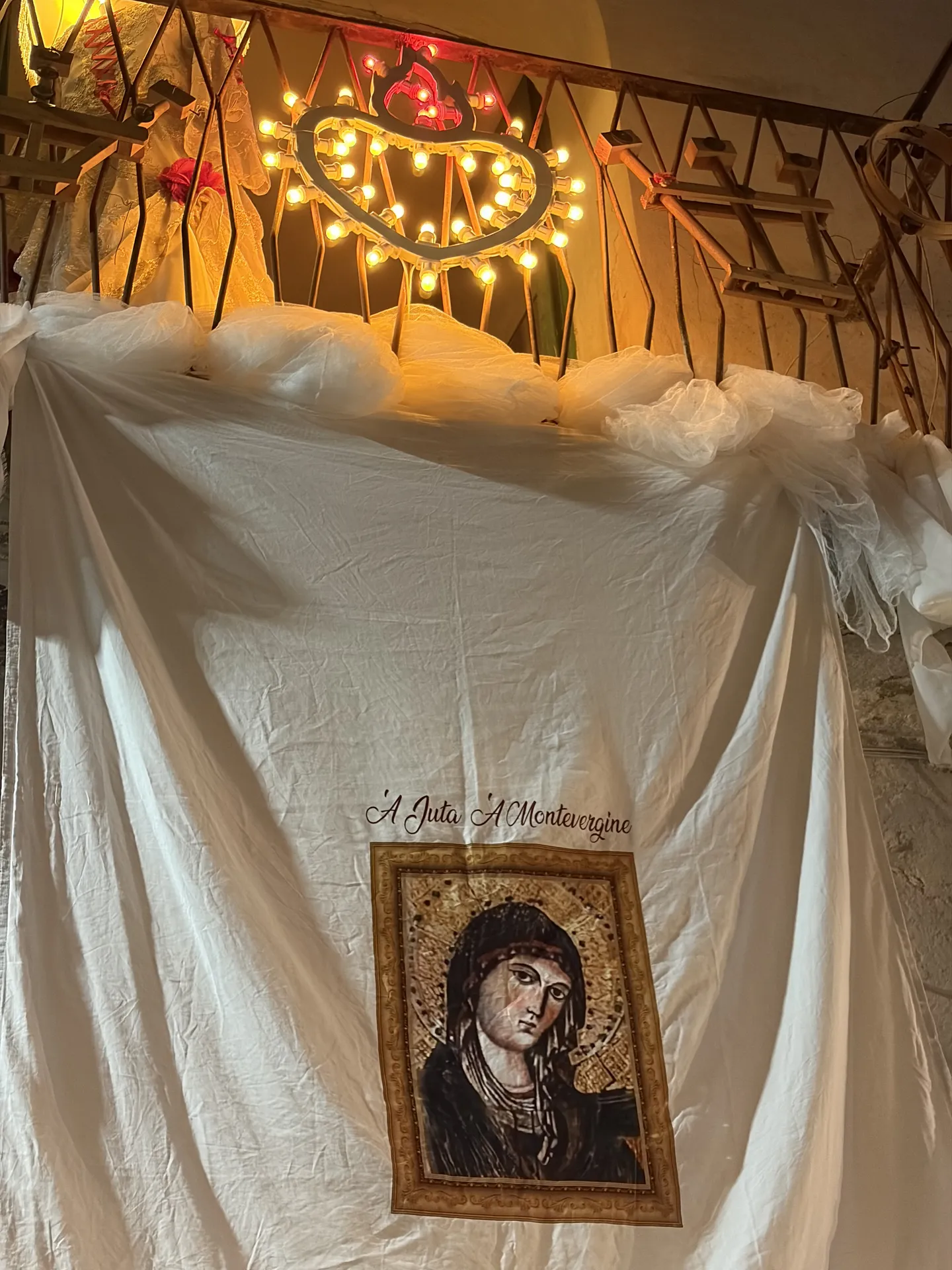
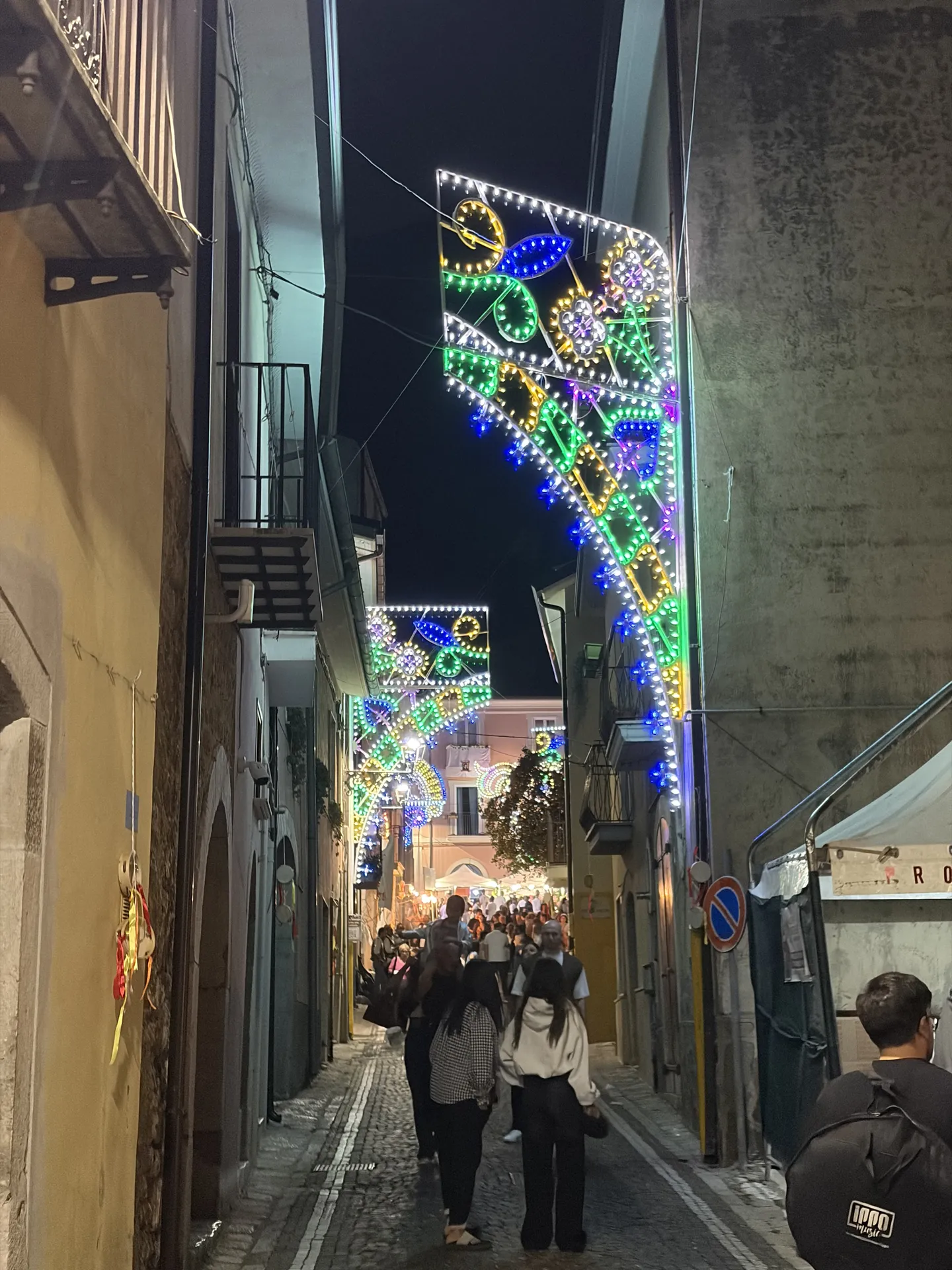
A millennia-old blend of cultures in the spirit of hospitality
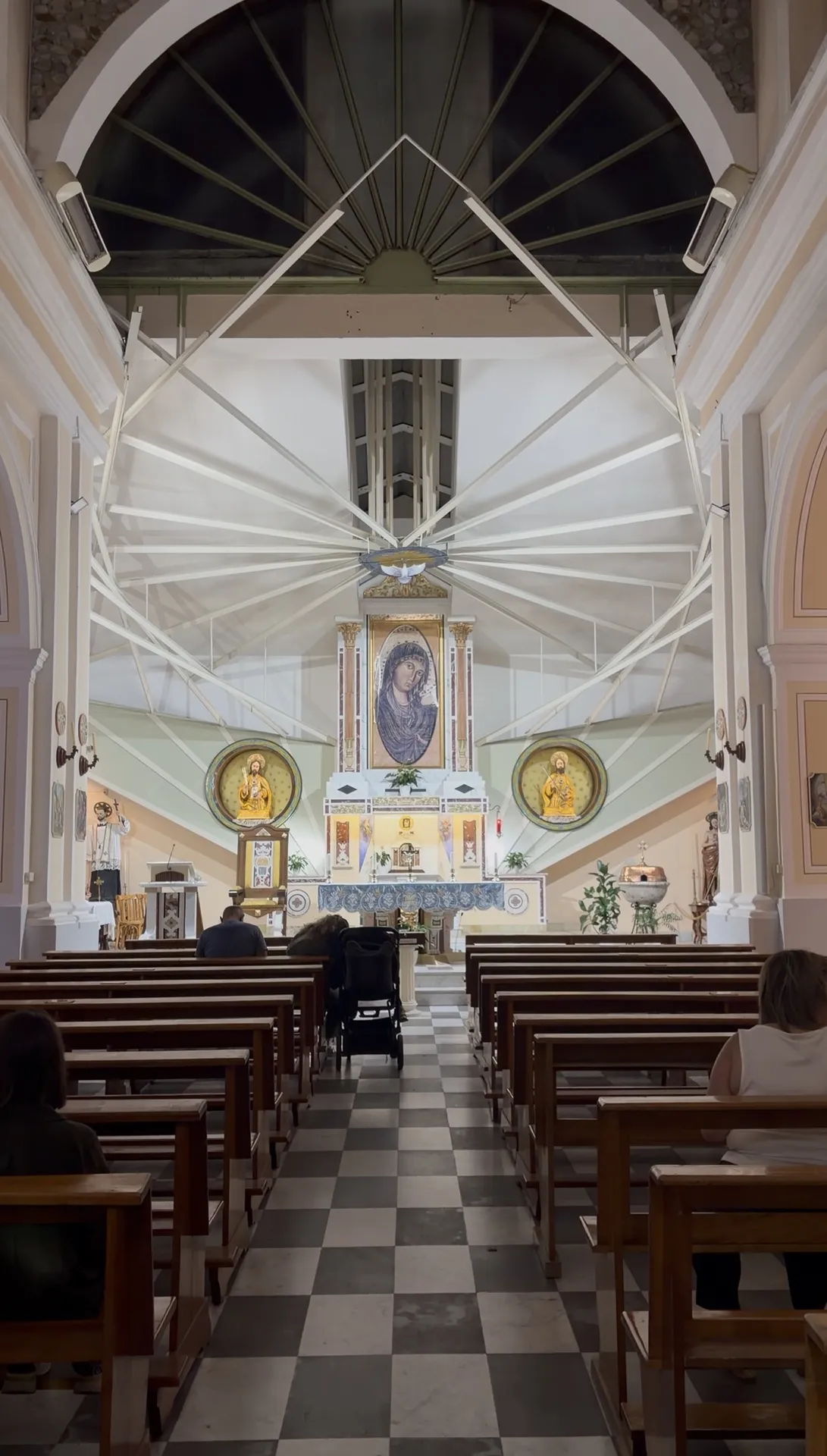
The slopes of Mount Partenio conceal a dizzying religious history. Before the Christian sanctuary was built, the mountain was dedicated to Cybele, the Great Mother, whose priests would perform ecstatic dances to the rhythm of percussion instruments identical to those used today. Over the centuries, the pagan deity merged with the Virgin Mary, inheriting her unconditional capacity for hospitality.
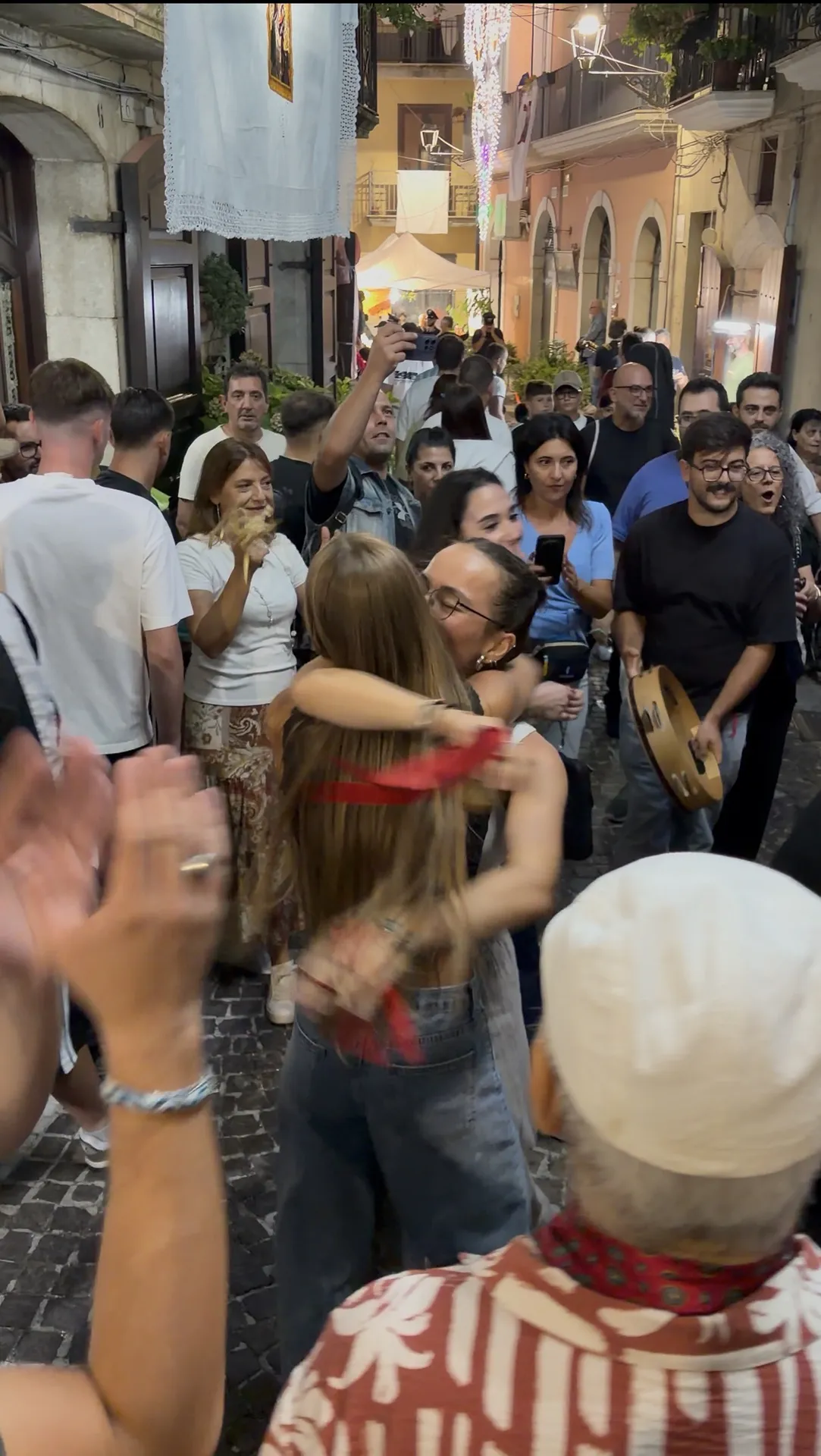
With her dark, Byzantine features, the Black Madonna has become the ultimate refuge for the marginalized. A legend from 1256 tells that two young homosexual lovers, condemned to die of exposure, were saved by a ray of sunlight sent by the Virgin, making her forever the protector of the “femminielli.” The “rota,” the human circle formed by the dancers, still represents today one of the rare spaces where all rigid social hierarchies vanish in favor of absolute equality.
Allegories, Metaphors, and Songs a dispietto
When the dancers face each other in the “pettata” (a tense approach in which their bodies brush against one another to the wooden sound of castanets), the sung verses take on a crucial role. The “viesi” are not improvised but represent valuable historical archives encoded in code. The less affluent classes, unable to freely express dissent or their impulses, resorted to agricultural terminology to circumvent censorship.
Allegories involving fruit, plows, or streams concealed carnal desires and fertility rites. On other occasions, song became a tool of fierce political satire. The use of the “Carmagnola” melody—which arrived with French troops in 1799—was, for example, subverted by the people and the Sanfedists to become an anthem of resistance against the invaders. All of this takes place through the “canto a dispetto,” a duel in which one issues a provocation and the other responds in kind. If one’s memory fails, one resorts to the “barzelletta,” a sequence of random rhymes used to preserve the meter, preventing the rhythm from breaking, while making it clear to the other singer that he must continue singing alone.
The Cycles of Tradition and the Hospitality of Dimore De Luca
The Juta in Montevergine symbolically brings to a close the so-called “Season of the Madonnas,” the devotional cycle that begins at the start of the year on Candlemas, February 2. As summer draws to a close, the tourist season—during which our facilities serve as a strategic base for exploring the area—is also heading toward its natural winter hiatus.
Just like an ancient ritual that is renewed, the months of closure are part of an essential and necessary life cycle. While nature rests, our apartments are meticulously renovated and refined to continue offering the high standards of quality, cleanliness, and comfort that set us apart. In the quiet of the off-season, we prepare to welcome future guests, reaffirming our status as a trusted destination for all travelers eager to explore the Amalfi Coast and discover its deepest, most timeless spirit.